The Hong Kong Monetary Authority launches the CMU digital asset platform, with bond tokenization included in the official settlement infrastructure, and the next step is to expand to RWA
On November 25, the Hong Kong Monetary Authority announced the launch of the CMU digital asset platform, operated by Hong Kong Exchanges and Clearing, which supports the complete life cycle of bond tokenization based on distributed ledger technology - primary issuance, secondary trading, clearing and settlement, dividend payment and maturity redemption. It adopts on-chain atomic DvP settlement and is directly connected to RTGS and CBDC, allowing for 24-hour multi-currency settlement. Hong Kong Exchanges and Clearing plans to extend the platform's coverage from bonds to other asset classes such as funds and RWA, and connect tokenized deposits with regulated stablecoins.
· 3 min read
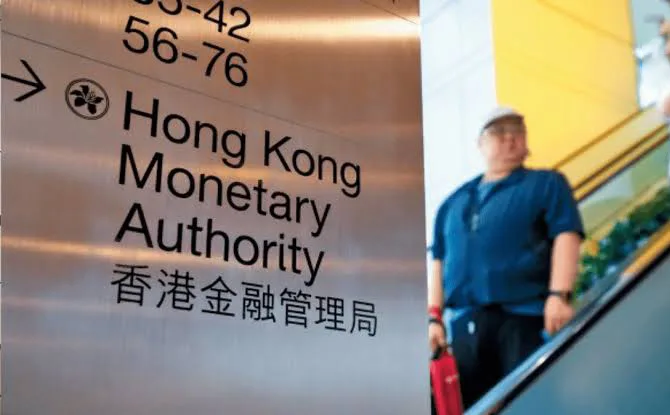
On November 25, the Hong Kong Monetary Authority announced the launch of the CMU Digital Asset Platform. The platform, assisted by CMU OmniClear Limited in development and operation, is a platform established by the Central Moneymarkets Unit (CMU) based on Distributed Ledger Technology (DLT).
The first batch of direct participating institutions includes 10 institutions, including Bank of China (Hong Kong), Bank of Communications (Hong Kong), CITIC Bank International, China Construction Bank (Asia), CMB Wing Lung Bank, Orient Securities, DBS Bank (Hong Kong), Industrial Bank, Standard Chartered Bank (Hong Kong), and HSBC. The platform covers the entire lifecycle of bond primary issuance, secondary trading, clearing and settlement, dividend payment, and maturity redemption in a paperless manner, supporting traditional bond tokenization, adopting on-chain atomic settlement (DvP), and directly connecting with Real-Time Gross Settlement (RTGS) system and Central Bank Digital Currency (CBDC), allowing for 24-hour multi-currency settlement through cash tokens.
More importantly, the subsequent expansion path is crucial: CMU OmniClear clearly plans to expand the platform's coverage from bonds to other asset categories such as funds and Real-World Assets (RWA), and connect with other DLT platforms and tokenized deposits and regulated stablecoins as payment tools. The President of the Hong Kong Monetary Authority, Eddie Yue, expressed his hope that CMU will become the core infrastructure for Hong Kong's multi-asset digital financial ecosystem and develop into a leading central securities depository in Asia.
The structural significance of the CMU Digital Asset Platform lies in its integration of bond tokenization from 'issuance-end single-point innovation' into the official central securities depository's settlement and lifecycle management system. Previously, Hong Kong's bond tokenization pilot projects were mostly led by issuers or technology platforms, and the settlement process still partially relied on traditional procedures. The CMU platform, based on DLT, integrates atomic DvP, RTGS connection, and CBDC settlement into the same infrastructure, providing tokenized bonds with official settlement endorsement at the same level as mainstream debt instruments.
However, what is truly worth attention is the explicit appearance of 'RWA' in the expansion path. CMU's expansion plan is to extend the platform from bonds to funds and RWA, and connect tokenized deposits with regulated stablecoins. This means that Hong Kong is building a reusable 'asset-end DLT registration + atomic settlement + multi-currency payment tools' framework as an official settlement infrastructure for RWA. For non-standard RWA such as hotels, cultural tourism, and brand operation rights, the indirect value of this framework lies in the fact that when the official CSD is willing to include RWA in its settlement and lifecycle management scope, the institutional friction in the 'custody, delivery, and compliance recording' stages of non-standard asset tokenization will be significantly reduced. Hong Kong's choice to start with the most standardized bonds and then gradually expand to RWA also provides non-standard assets with a traceable pace of institutional maturity — not waiting for the 'non-standard RWA specialized rules' to be released, but rather accessing an official settlement infrastructure that is opening up to multiple asset categories, as an official settlement infrastructure.