Classic Hotel RWA Case Studies (Part 2): Model Innovation and Emerging Markets
Beyond mature markets, innovative models have emerged in construction-period financing, inclusive investment in emerging markets, and platform-based asset portfolios. This article analyses four representative cases: Trump International Hotel Maldives, Uganda's Pieme, Travaleo, and PARQ Street, showcasing the diverse evolution of the industry.
· 2 min read
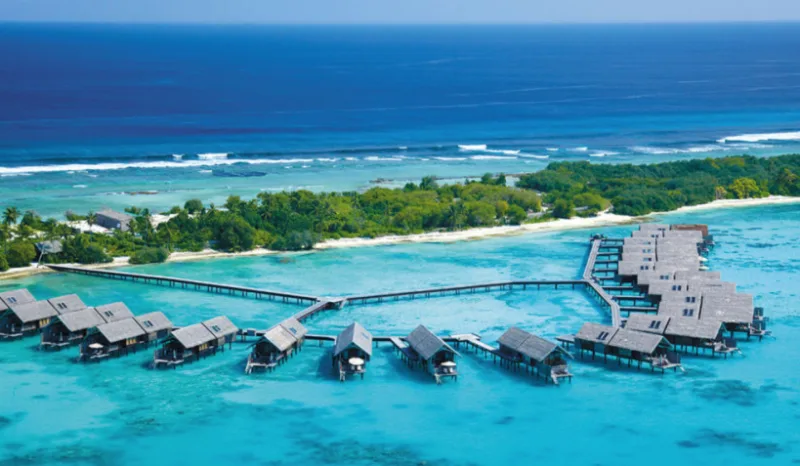
Case 4: Trump International Hotel Maldives — Construction-Period Financing Innovation
- Core Mechanism: In February 2026, World Liberty Financial announced a partnership with DarGlobal and Securitize (backed by BlackRock) to tokenise the construction-period loan revenue rights of the Trump International Hotel. Tokens held by investors represent claims on interest income from the construction loan, rather than direct property ownership.
- Industry Significance: This is the world's first heavyweight hotel project to initiate tokenised financing during the development and construction phase, extending the application scenario from "revitalising existing assets" to "early-stage financing for new projects". (Note: The project has been delayed due to geopolitical impacts, but its strategic significance cannot be ignored.)
Case 5: Uganda Pieme — Africa's First Community-Based Tokenised Hotel
- Core Mechanism: In July 2024, Blocksquare partnered with Pieme to allow individuals to invest in hotel projects with a minimum of only $150 through asset fractionalisation. The hotel officially opened in March 2026, and revenue distribution was initiated.
- Industry Significance: It completed the full closed loop from financing → construction → opening → revenue distribution, powerfully validating the feasibility and universality of hotel RWA.
Case 6: Travaleo (TRYOI) — Boutique Hotel Asset Portfolio Platform
- Core Mechanism: In November 2025, Genesis Holdings launched the boutique hotel and luxury residential investment platform Travaleo, with its first tokenised product TRYOI anchored by the YOO Aruba luxury residential project. The total token supply is 250 million, priced at $0.10 each, utilising DigiShares' end-to-end system.
- Industry Significance: Represents the RWA approach of "boutique hotel asset portfolios", upgrading a single project to a multi-asset platform, helping to diversify risks and expand asset scale.
Case 7: PARQ Street — Integration of NFT Membership and Hotel Investment
- Core Mechanism: The first-phase asset is the Tuscany National Resort & Club in Cortona, Italy. The project launched an NFT-based global luxury travel and golf membership programme, offering VIP services across a network of over 650 global hotels. NFT holders can enjoy lifetime hotel benefits and convert membership into fractional ownership through KYC.
- Industry Significance: Combines an NFT membership system with hotel investment, making tokens not just financial tools but carriers of real consumption rights.
(Disclaimer: This article is for industry research reference only and does not constitute any investment advice.)