CaliberCos launches three tokenized real estate offerings, including two hotel development projects, with a maximum fundraising of 85 million US dollars
Nasdaq-listed CaliberCos announced on November 4 that it has added three public offerings of tokenized real estate investment products, including two Hyatt Studios hotel development projects and a feeder fund, with a maximum fundraising scale of 85 million US dollars. Investors can choose to hold tokenized digital ownership certificates or traditional paper certificates.
· 2 min read
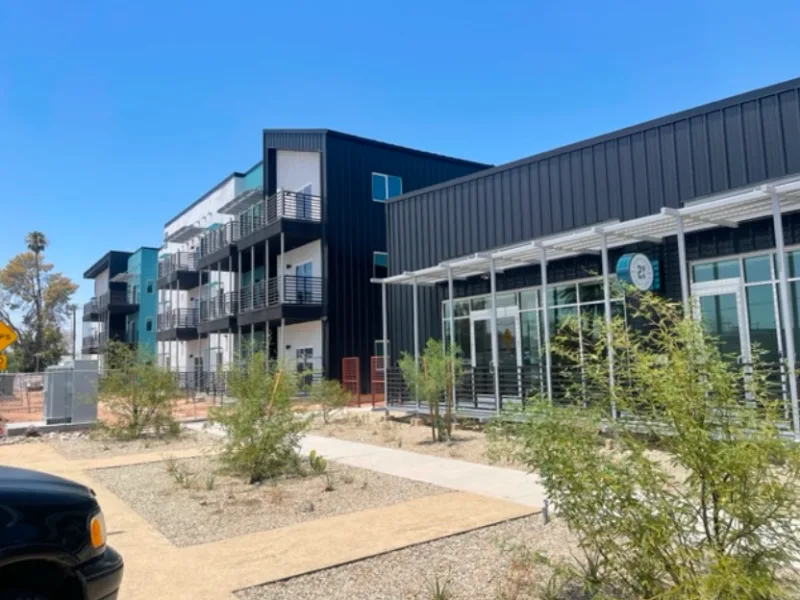
November 4, real estate and digital asset management company CaliberCos (NASDAQ: CWD) announced that it has disclosed through SEC Form 8-K, the initiation of a public offering of three tokenized real estate investment products, with a maximum fundraising scale of 85 million U.S. dollars.
The three products are: Caliber-Hyatt Studios Steamboat (the Hyatt Studios hotel development project in Steamboat Springs, Colorado, which started construction in July 2026), Caliber-Hyatt Studios Phoenix/TSMC (the Hyatt Studios hotel development project in Phoenix, Arizona, adjacent to TSMC's Arizona factory), and Caliber-HS Feeder Fund (a fund unit that is diversified and invests in Caliber's long-term residential hotel development projects). Investors can choose to hold tokenized digital ownership certificates (Tokens) or traditional paper certificates. The tokens are kept by the investors in digital wallets, while the underlying investment targets remain the shares of the corresponding Caliber products.
Caliber stated that the primary economic goal of tokenization is reducing the investment management costs borne by investors and funds. The company is also developing an automated NAV calculation product called CNAV, aiming to assign on-chain collateral value to private real estate fund shares, and plans to promote mortgage loans and secondary trading, but explicitly warns there is no guarantee of liquidity.
The structure of CaliberCos's current issuance is significant in that it presents a complete path for public fundraising of hotel development stage assets through tokenization. Unlike previous hotel RWA, which were mostly focused on the revenue or operating rights of existing properties, the underlying assets of these three products are hotel development projects still under construction - cash flows have not yet been generated, and the tokens correspond to equity shares of the development company, not direct ownership or revenue rights of completed properties.
This structure expands the RWA risk exposure from "operational risk" to "development risk", raising higher requirements for the issuer's information disclosure, investor suitability management, and ongoing reporting. However, Caliber's compliance foundation is relatively solid: as a publicly listed company registered with the SEC, its issuance is subject to the Regulation FD and 8-K disclosure framework. The legal structure of the underlying products has not changed due to tokenization, and the tokens are merely a digital representation of shares. The reference value for RWA related to hotel operating rights and revenue rights lies in: when the underlying assets are in the development stage, the core capability of tokenization is not technology, but the compliance qualifications and ongoing disclosure capabilities of the issuer itself. Caliber's backing of tokenized hotel development products as a publicly listed company may be more acceptable to institutional investors than platforms that are not listed, but the explicit warning of no guarantee of liquidity also indicates that tokenization itself does not solve the exit problem of assets in the development stage.